Polska wersja

PLANT PROFILE
Laggera alata is perennial bushy plant growing mainly in tropical Africa and Southeast Asia. The genus Laggera belongs to the Asteraceae family and consists of about 20 species of aromatic plants. Most of which, like Laggera alata, Laggera aurita, Laggera tomentosa, Laggera pterodonta and Laggera crispata are highly reputed as a medicinal plants (usually used interchangeably for the same illnesses). And in recent years, thanks to scientific researches proving it's healing values, turn from folk remedy into official modern herbalism drug, in some countries. And even gained some interest from orthodox medicine practitioners. However none of Laggera species is popular outside some of African countries and China, in fact most of herbalists and botanists from other countries have never heard of this plant.
In China, where L. alata and L. pterodonta grows wild in many regions in south and east, it has been used in Traditional Chinese Medicine for few hundred years, mainly for hepatitis and problems with liver, bronchit, bacterial infections and inflammations. And nowadays China is leading with the biggest amount of phytopharmacological and laboratory studies conducted on those herbs.
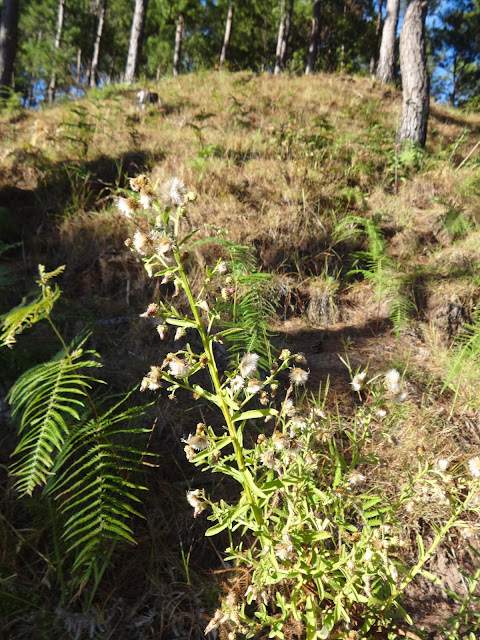
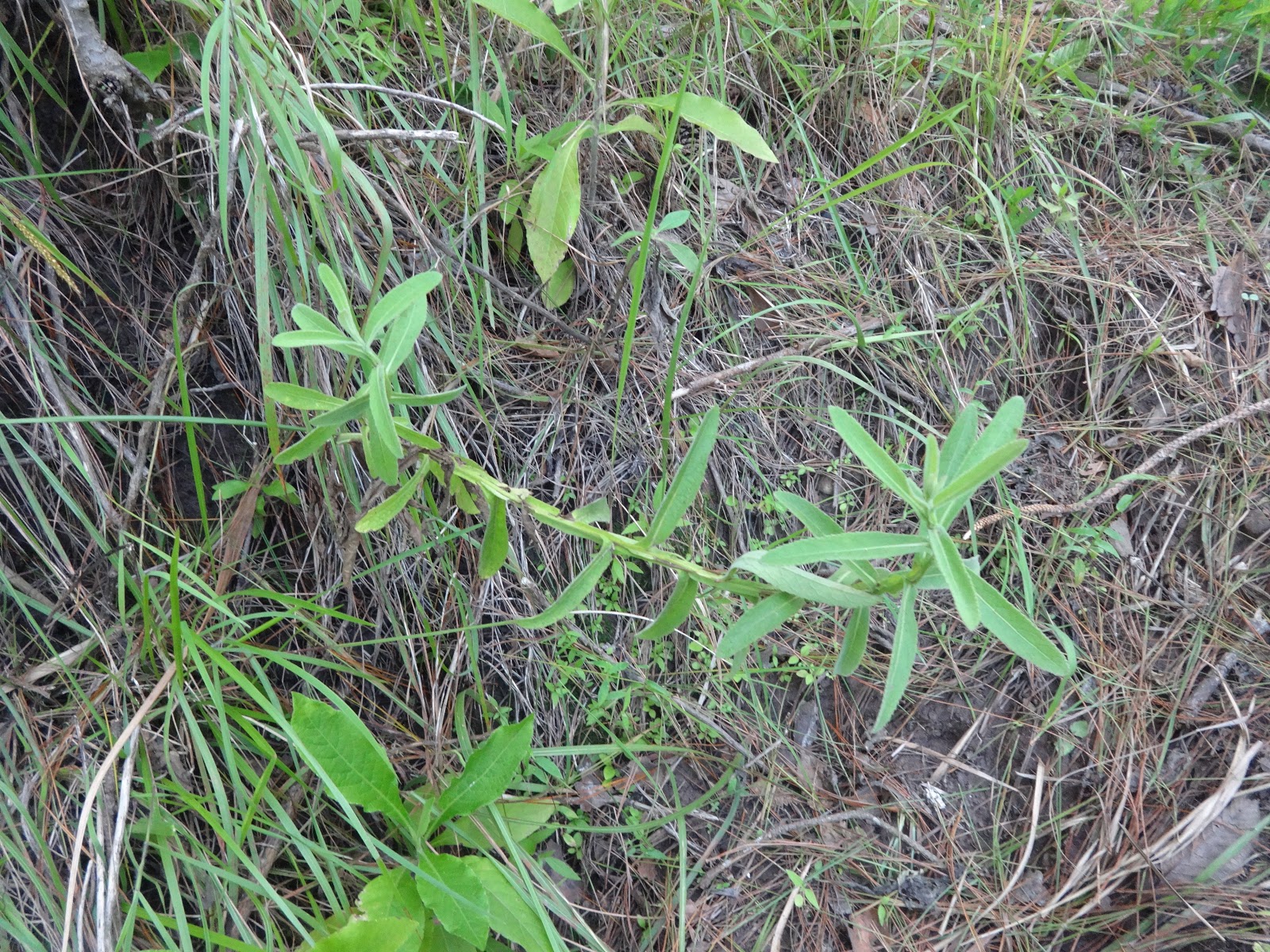
Although it is barely noted in few sources that Laggera alata appear in the Philippines, and I didn't found any trace of information of it to be used in Filipino healing traditions. This is where I've found this plant, that I've never seen or read about before. It was a year ago, when I was roaming on mountains nearby Baguio city, north of Luzon, doing field research, that I've found this plant that didn't resemble any of the plants I've ever seen live or on photos. And whenever I found entirely new plant I know nothing about, the only way to assess it's potential usefulness, without risking of getting poisoned is ... to rub it and smell it.
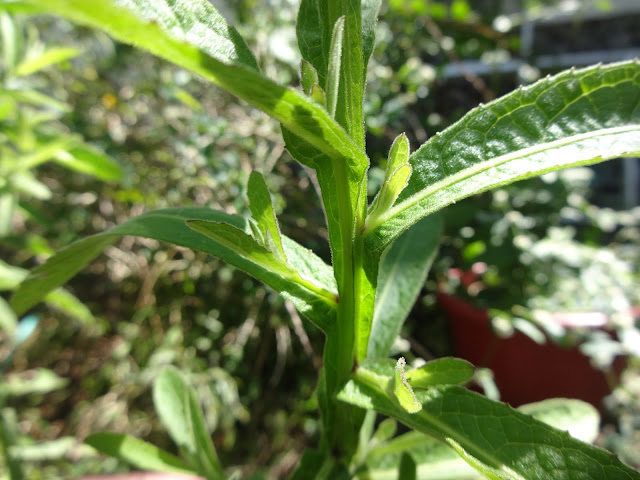
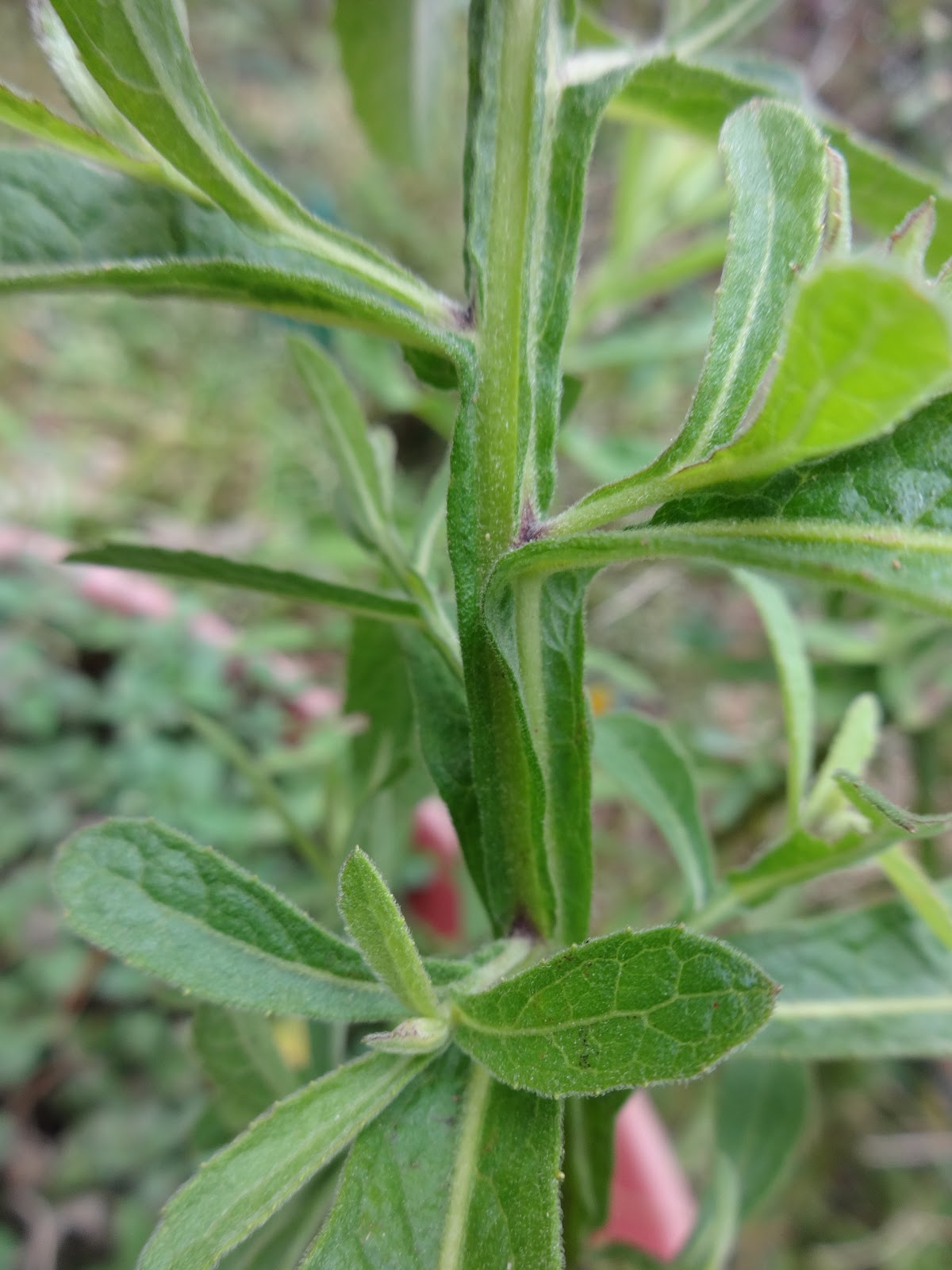
The smell of it was so unique and so pleasant that I've fell in love with it. And since most of nicely smelling plants are not only useful for perfumery, but also has some medicinal applications, I've decided to take the plant home and find out what it is and what it can be used for. Because the plant was small and has no flowers it took me half year before I identified it. I was lucky to find photo of plant with the same characteristic winged stems as mine, while browsing list of herbs used in Traditional Chinese Medicine.
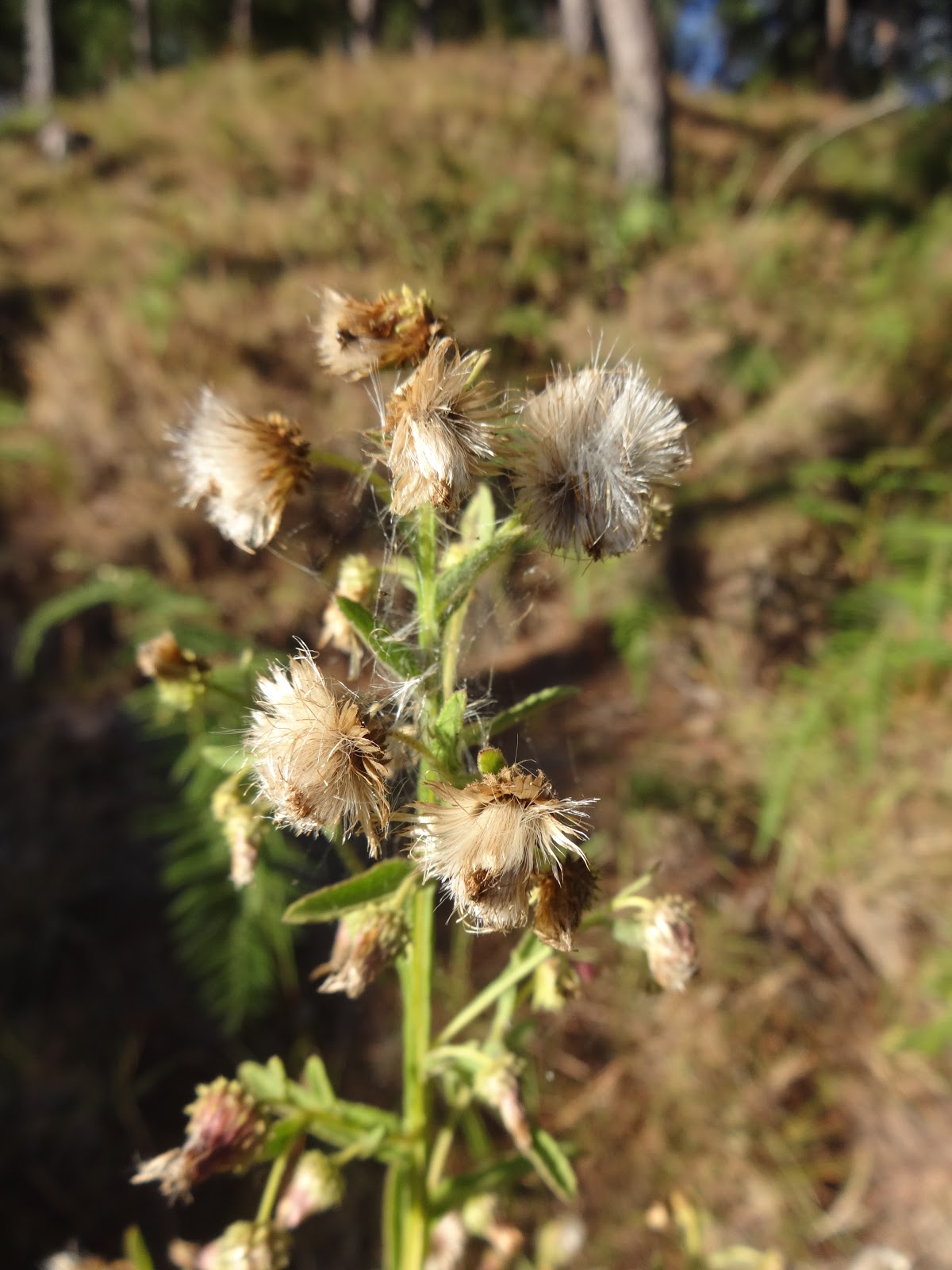
So I went back to the area where I found my plant (the only place I ever seen it growing), and was lucky to find some of that species already in bloom. Thanks to that I had not even a tiniest doubt if it is Laggera indeed (the plant that I've took home half year earlier and put in a pot still has no flowers yet). I've picked some to try the taste of it's infusion, and since then it become one of my favourite herbal teas ever. The taste itself is nothing special, just quite bitter. But it's aroma is so strong, unique, pleasurable, invigorating and uplifting, that I advice everyone who can, to try it. For me this is a perfect example of herb that qualify not only for healing, but also for enjoyment of our taste buds and mind.
In Yunnan and Sichuan provinces of China, Laggera pterodonta, which is closely related and shares close resemblance with L. alata, is often called Chou Ling Dan - odorous panacea. In some regions in Africa magical attributes are ascribed to Laggera alata. The chameleon, a common prop of a wizard’s paraphernalia, is said in South Nigeria never to climb the plant, and so the plant is invoked by the Yoruba to confer protection against witchcraft. The plant is burned in houses as disinfectant, to repel or kill mosquitoes and flies (the leaf powder may be burnt on hot metal or glowing charcoal), and as bedbug repellent. It is also smoked instead of tobacco, and it is said that inhaling it has narcotic effect.
Laggera alata is called Liu Leng Ju in mainland China and Luk-ling-guk in Hong Kong. It's other vernacular names include : Agemo-kogun, Eru-taba (Nigeria), Depack-kenan, Depackkenan, Negikock (Ngomba'a, Cameroon), Ireme (Rutooro, Uganda), Igikatsikatsi, Igitotsi, Igitabitabi, Umutamatama (Rwanda), Kapitisbossie, Muishondbossie (South Africa), Ludenyikumbwe, Mdenyi-kumburi, Muuga (Tanzania), Rutapatsikidzi (Zimbabwe), Winged-Stem Laggera, False Tobacco (English), Menthe des Pygmées (French), Lumra (Hindi), Bodo-kalar (Gujarati), Bettada, Kuppegida (Kannada), Managre Jhar (Nepali), Amadok (Garhwal, India).
Laggera alata is still sometimes named as Blumea alata, and it has other botanical synonymes, that went out of use : Conyza alata, Erigeron alatum, Vernonia alata, Inula exsiccata, Laggera angustifolia, Triplostegia epilobiifolia.
 CULTIVATION AND HARVESTING
Laggera alata is a stout perennial, but short-lived herb, that grows in form of a bush that can reach even up to 3 m high, but usually grows just to around 1m hight. It grows in open fields, grasslands, bushlands, outskirts of forests, sunny meadows, sun-toward moutainous slopes, in tropical Africa, Madagascar and some parts of Pakistan, India, China (mostly Himalayan regions), and Southeast Asia, on altitudes up to around 2500 m. This plant loves sun and high temperatures, it cope well with heat and drought, but can't stand frost and need to grow in well drained soil.
Although it is abundant in some regions and still mainly gathered from it's wild state, it is sometimes grown in gardens for medicinal use. In Gabon the plant is planted around houses to counteract malign influences of sorcerers. Laggera generally flowers during summer or dry season, which of course differ according to regions in the world (in the Philippines it is during december - march). It can be gathered for drying at any time of year, but personally I would suggest to harvest whole top parts during it's flowering period, and it's roots during the period of slower vegetation. Whole plants can be also picked by uprooting, if you don't care about leaving plant for regrowth. Especially if in your area Laggera alata appears only as a annual plant, due to cold or extremely dry season, that even it's root can't survive. And although it is traditionally sun-dried in China, I would rather recommend to dry it's aerial parts in shade, for better preservation of it's essential oils. Of course like with all aromatic herbs, it is the best to use it fresh, so if you have constant access to this plant you can pick only separate leaves or flowers, doing minimal damage to the plant, so that it could produce you the new one faster.
 CULINARY USES
The tea from aerial parts (stalks with flowers and leaves) of Laggera alata is very bitter and aromatic, to fully enjoy it's unique pleasurable aroma infusion can not be to strong. Otherwise it's bitterness will cover the sense of aroma. Only one full teaspoon of fresh chopped flowers and leaves per 250ml cup is needed for excellent refreshing tea (for good quality dried material it might be 2 or 3 teaspoons). Steep at least for 5min under cover, so aroma will stay in your cup, and let it release while taking your sips later. It is really one of my most favourite teas, and it's aroma is so stimulating, invigorating and uplifting. That I hope to extract pure essential oil from this plant one day, for aromatherapy and house refresher use.
 MEDICINAL USES
Laggera alata and it's closely related Laggera species are highly reputed and widely used as folk medicine in many regions of tropical Africa. It also have some popularity in China, where it has been used as a medicinal herb for few hundred years. As interest in Traditional Chinese Medicine is growing, and in African medicinal plants too, so scientists started to get interested also about this herb. A small number of studies has been quite recently conducted in China and very few in African countries, to examine Laggera plants phytochemistry, and test it's medicinal actions in laboratory tests. But Laggera species plants still remain mostly unknown in rest of the world, both in herbalism as in botany.
Laggera alata herb is described in Traditional Chinese Medicine as pungent and bitter in taste, little warm in nature, while it's root is described as pungent in taste and cool in nature. Whole plant in known for dispelling pathogenic wind and removing dampness, dispersing stasis and detoxicating.
In terms of Western Herbalism L. alata is described as : aromatic, hepatoprotective, antioxidant, anti-inflammatory, antibacterial, anti-viral, anti-febrile, anti-tumor, anti-leukaemia, alexipharmic, emmenagogue, taenicide and fungistatic. It's essential oils have been reported to exhibit antibacterial and antifungal activities, although probably most of the medicinal actions mentioned above are also properties of extracted volatile oils itself.
The plant contains : triterpenes, flavonoids, flavonoid glycosides, phenols, polyphenols, alkaloids, sterols, saponins, organic acids, amino acid and saccharides, isochlorogenic acids, 3,4-O-dicaffeoylquinic acid, eremophiloids, eudesmanoids, thymoquinol dimethyl ether, α-eudesmol, eudesmane glucosides (alatosides A–D), sesquiterpene glucosides, eudesmane sesquiterpenes, megastigmane glucoside (alatoside E), artemetin, and essential oils (0.8% - 2.78%)
Laggera alata essential oils comprise mainly of sesquiterpenes, monoterpenes and phenolic ethers, it contain : thymoquinol dimethyl ether also called 2, 5-dimethoxy-para-cymene (24.4% - 44%), β-caryophyllene (30.5%), terpinen-4-ol (27.6 %), a-muurolene (21.2%), a-caryophyllene (16.2%), sabinene (3.6% - 16%), germacrene-D (8.4% - 15.4%), cis-chrysanthenol (11.8%), chrysanthenone (8.7%), α-humulene (6.2%), α-terpine (5.5 %), thymol methyl ether (4.6%), filifolone (3.5%), 6‐hydroxycarvotanacetone (3%), (E)-Caryophyllene (2.3%), beta-Bourbonene (2.5%), 4hydroxycarvotanacetone‐7‐O‐angelate (2%), eudesmane-type sesquiterpenoids (α-eudesmol, 7-epi-γ-eudesmol and 7-epi-β-eudesmol), sesquiterpene compounds (β-selinene, 7-epi-α-eudesmol, isointermedeol, juniper camphor and β-dihydroagarofuran), sesquiterpenoid alcohols (nerolidol, elemol, alpha-cadinol).
All parts of Laggera alata plant can be used fresh or dried. Stems with leaves and flowers are mainly taken orally in form of infusion or decoction, while tinctures are usually made from Laggera roots. It can be taken to cure illnesses like :
- Liver problems, in China this herb is best known for it's liver protective action, and it has a long tradition of use for hepatitis, cirrhosis (the root), and other liver complaints. Studies has confirmed the plant's strong hepatoprotective and antioxidant properties, Isochlorogenic acid A extracted from Laggera alata has proved to be effective against Hepatitis B virus.
- Inflammations, especially hepatitis, bronchitis, pneumonia, sinusitis, arthritis, rheumatic arthritis, nephritis and edema. The herb's anti-inflammatory activity was reported to be due to the inhibition of prostaglandin formation.
- Infections, the herb is used for many different kinds of bacterial and viral infections, like : cold, pneumonia, sinusitis, tuberculosis, diarrhea, anthraxia, furunculosis, carbunculosis, scrofula, eczema and pruritus. The plant showed activity against Gram-positive microorganisms and viruses in tests.
- Fevers, the leaf decoction is used against typhoid fever in Cameroon, and the leaf infusion is used as a fumigation against fever in Gabon.
- Respiratory tract problems, bronchitis, pneumonia, tuberculosis, coughing with lung heat, and other pulmonary troubles. In Tanganyika leaf-sap and root-decoctions are taken in beer for pneumonia, and root scrapings are rubbed into scarifications on the chest.
- Cancer, in Kenia the herb is used for treatment of cancer, dry leaves decoction is drunk for stomach tumour. In Nigeria, Laggera alata is used to treat skin tumour, this herb is also important ingredient in TCM ointment formulas for skin tumours. Laggera alata extract inhibited proliferation and induced apoptosis of human ovarian cancer cells (HO-8910) in vitro. Two eudesmane-type sesquiterpenes extracted from Laggera alata inhibit angiogenesis and suppress breast cancer cell migration.
- Women problems, in China the herb is taken for amenorrhea. In Cameroon it is commonly taken for treating reproductive health problems, dysmenorrhoea, leucorrhea, veneral diseases, decoction of leaves in raphia wine is taken orally. Laggera plant sap is taken in Ivory Coast and Burkina Faso as an emmenagogue.
- Pain, the plant is often used for treatment of intercostal pain, rheumatic pain and headache. Decocions are used as mouthwash for toothache. Crushed leaves and powder of the plant are rubbed, and leaf sap in beer are given in Ivory Coast and Burkina Faso for chest and intercostal pains. The leaf infusion is used as a fumigation in Gabon against rheumatic pains. In Tanganyika the plant decoction is applied hot for back pain and ashes of the plant are rubbed into scarifications. Inhalations and washes for the head are taken in Madagascar for headache, and the crushed leaves are massaged on the face and forehead for vertigo. In Zimbabwe the leaves are used for convulsions, headaches and pains in the legs. In Cameroon Laggera alata is commonly taken for menstrual pains.
- Tapeworms, in Nigeria the herb is taken to remove tapeworms. In both Mali and Burkina Faso the plant leaves, flowers and twigs are dried and reduced to powder, a small spoonful is taken in curdled milk after a day of fasting, and the tapeworm will be expelled with neither griping nor diarrhoea, it is said.
- Brain disorders and mental illnesses, in Zimbabwe Laggera alata leaves are used for convulsions and headaches, leaf infusions, enemas and ointments are also used to treat madness. In Ivory Coast the plant sap is put into nasal instillations as a rapid cure for attacks of madness. In Madagascar the crushed leaves are massaged on the face and forehead for vertigo. In Gabon the leaf is smoked like tobacco, and the smoke is considered to act as narcotic. In China for lingering headache or postpartum shock, fresh 60g of Laggera root is decocted in water and drunk.
The standard doses for Laggera alata in Traditional Chinese Medicine for oral administration are : whole plant decocting 9-15g of dried or 30-60g of fresh; or smashed to extract juice. Roots decocting 15-30g of dried or 60g of fresh.
External aplications of Laggera alata :
- mashed herb or decoction is used traditionally as poultice for carbunculosis or furunculosis, burns, injuries from falls, rheumatic arthralgia, and eczema
- this herb is one of the major ingredients in Traditional Chinese Medicine ointment formulas for skin tumours
- inhalations and washes with decoctions for the head are taken in Madagascar for headache, and the crushed leaves are massaged on the face and forehead for vertigo
- the liquid resulting from prolonged boiling of leafy stems is used as a wash for sick persons by the Masai of Kenya.
- for enlargement of the spleen root-scrapings are rubbed over the area in Tanganyika
- the leaves pounded to a paste are applied to conjunctivitis and sore eyes
- in Zimbabwe leaf infusions, enemas and ointments are used to treat madness
- in China paste from fresh leaves is applied on place of snakebite
- the leaves may be rubbed on to skin to repel mosquitoes and flies and as general disinfecant






Sources
'' A Textbook of Medicinal Plants from Nigeria '' - Tolu Odugbemi, Tolu Odugbemi, 2008
'' International Coalition of Traditional and Folk Medicine ; Northeast Asia part 3 '' - Chung Ki Sung, Takeatsu Kimura, World Scientific, 1996
Antidermatophytic Activities of Nine (9) Essential Oils - J.R. KUIATE, S.P. KUATE, N.E. KEMADJOU, S. DJOKOUA, F. ZIFACK AND J. FOKO
ETHNOMEDICINAL VALUE OF PLANTS FOUND IN DHINODHAR HILLS OF KACHCHH REGION OF GUJARAT - HARIBHAI RABARI
The inhibiting effects of Laggera alata flavone on human ovarian cancer HO-8910 cells proliferation and its mechanism in vitro - Min Tang, Jun Bai, Chunyan Chen, Yingxia Ning, Xiaochun Li, Hanzhen He
Two natural eudesmane-type sesquiterpenes from Laggera alata inhibit angiogenesis and suppress breast cancer cell migration through VEGF- and Angiopoietin 2-mediated signaling pathways - Ning Liang, Yaolan Li, Hau Yin Chung
Protective Properties of Laggera alata Extract and its Principle Components Against D-Galactosamine-Injured Hepatocytes - Yi-Hang WU, Bing-Jie HAO, E SHEN, Qing-Li MENG, Ming-Hui HU, Yu ZHAO
Effect of Laggera alata on hepatocyte damage induced by carbon tetrachloride in vitro and in vivo - Yi-Hang Wua, Xiao-Meng Zhang, Ming-Hui Hu, Xiu-Mei Wu, Yu Zhao
Hepatoprotective effect of total flavonoids from Laggera alata against carbon tetrachloride-induced injury in primary cultured neonatal rat hepatocytes and in rats with hepatic damage - Yihang Wu, Fang Wang, Qunxiong Zheng, Longxi Lu, Hongtian Yao, Changxin Zhou, Xiumei Wu & Yu Zhao
Medicinal Plants Used for Treating Reproductive Health Care Problems in Cameroon, Central Africa - Roger Tsobou, Pierre Marie Mapongmetsem and Patrick Van Damme
Medicinal Plants Used Against Typhoid Fever in Bamboutos Division, Western Cameroon - Roger Tsobou, Pierre Marie Mapongmetsem and Patrick Van Damme
Phytochemical screening and antibacterial activity of medicinal plants used to treat typhoid fever in Bamboutos division, West Cameroon - Tsobou Roger, Mapongmetsem Pierre-Marie, Voukeng Kenfack Igor, Van Damme Patrick
Traditional plants used for medicinal purposes by local communities around the Northern sector of Kibale National Park, Uganda - Jane Namukobea, John.M. Kasenene, Bernard T. Kiremirea, Robert Byamukamaa, Maud Kamatenesi-Mugisha, Sabrina Krief, Vincent Dumontet, John D. Kabasa
Ethnobotanical study on medicinal plants used by Maonan people in China - Liya Hong, Zhiyong Guo, Kunhui Huang, Shanjun Wei, Bo Liu, Shaowu Meng and Chunlin Long
ISOLATION AND STRUCTURE ELUCIDATION OF LARVICIDAL COMPOUNDS FROM LAGGERA ALATA AND CLAUSENA ANISATA - MOSES ABEDNEGO OLLENGO
A preliminary inventory of plants used for psychoactive purposes in southern African healing traditions - J.F. SOBIECKI
Regulatory effect of Laggera alata extract on immune mediated liver injury - Yi-Hang Wu, Bing-Jie Hao, E. Shen, Xiao-Meng Zhang and Yu Zhao
Composition of the Essential Oil of Laggera alata - Olusegun Ekundayo, Babajide Oguntimein, Into Laakso, Raimo Hiltunen
Effect of total phenolics from Laggera alata on acute and chronic inflammation models. - Wu Y, Zhou C, Song L, Li X, Shi S, Mo J, Chen H, Bai H, Wu X, Zhao J, Zhang R, Hao X, Sun H, Zhao Y.
6‐Hydroxycarvotanacetone and other constituents of the essential oil of Laggera alata (D. Don) Sch. Bip. ex Oliv. - O. A. Onayade J. J. C. Scheffer J. Schripsema A. Der Van Gen
Anti-Hepatitis B Virus Effect and Possible Mechanism of Action of 3,4-O-Dicaffeoylquinic Acid In Vitro and In Vivo - Yi-Hang Wu, Bing-Jie Hao, Hong-Cui Cao, Wei Xu, Yong-Jun Li, and Lan-Juan Li
Eudesmane and megastigmane glucosides from Laggera alata - Qunxiong Zheng, Zhaojun Xu, Xianfeng Sun, Wei Yao, Handong Sun, Christopher H.K.Cheng, Yu Zhao
Chemical Composition of the Essential Oil of Laggera alata var. alata (D. Don) Sch. Bip. Ex Oliv. (Asteraceae) from Comoros Islands, Part I - M. Hassani Said, B. Abdallah Said, S. Zrira, B. Benjilali
Eudesmane sesquiterpenes from laggera alata - Phila Raharivelomanana, Jean-Pierre Bianchini, Armand R.P. Ramanoelina, Jean R.E.Rasoarahona, Robert Faure, AimeCambon
Chemical Constituents of the Plants from the Genus Laggera - Xing‐Cui Li, Chang‐Hong Huo, Qing‐Wen Shi, Hiromasa Kiyota
Use of Blumea alata, Bidens pilosa and Chenopodium ambrosioides as Mosquito Repellents and Mosquitocides - T. C. Kazembe and S. Nkomo
http://plants.jstor.org/stable/10.5555/al.ap.upwta.1_955
http://libproject.hkbu.edu.hk/was40/detail?lang=en&channelid=1288&searchword=herb_id=D01274
http://scbt.sastra.edu/apmp/indl.php?id=MPDL109
https://www.flowersofindia.net/catalog/slides/Winged-Stem%20Laggera.html
http://www.appropedia.org/Control_and_treatment_of_bedbugs
http://www.efloras.org/florataxon.aspx?flora_id=2&taxon_id=200024124
http://www.efloras.org/object_page.aspx?object_id=120798&flora_id=2
https://herbalterra.com/laggera-aex
https://www.gbif.org/species/3098702
http://keralaplants.in/keralaplantsdetails.aspx?id=Laggera_alata

PLANT PROFILE
Laggera alata is perennial bushy plant growing mainly in tropical Africa and Southeast Asia. The genus Laggera belongs to the Asteraceae family and consists of about 20 species of aromatic plants. Most of which, like Laggera alata, Laggera aurita, Laggera tomentosa, Laggera pterodonta and Laggera crispata are highly reputed as a medicinal plants (usually used interchangeably for the same illnesses). And in recent years, thanks to scientific researches proving it's healing values, turn from folk remedy into official modern herbalism drug, in some countries. And even gained some interest from orthodox medicine practitioners. However none of Laggera species is popular outside some of African countries and China, in fact most of herbalists and botanists from other countries have never heard of this plant.
In China, where L. alata and L. pterodonta grows wild in many regions in south and east, it has been used in Traditional Chinese Medicine for few hundred years, mainly for hepatitis and problems with liver, bronchit, bacterial infections and inflammations. And nowadays China is leading with the biggest amount of phytopharmacological and laboratory studies conducted on those herbs.
Although it is barely noted in few sources that Laggera alata appear in the Philippines, and I didn't found any trace of information of it to be used in Filipino healing traditions. This is where I've found this plant, that I've never seen or read about before. It was a year ago, when I was roaming on mountains nearby Baguio city, north of Luzon, doing field research, that I've found this plant that didn't resemble any of the plants I've ever seen live or on photos. And whenever I found entirely new plant I know nothing about, the only way to assess it's potential usefulness, without risking of getting poisoned is ... to rub it and smell it.
The smell of it was so unique and so pleasant that I've fell in love with it. And since most of nicely smelling plants are not only useful for perfumery, but also has some medicinal applications, I've decided to take the plant home and find out what it is and what it can be used for. Because the plant was small and has no flowers it took me half year before I identified it. I was lucky to find photo of plant with the same characteristic winged stems as mine, while browsing list of herbs used in Traditional Chinese Medicine.
So I went back to the area where I found my plant (the only place I ever seen it growing), and was lucky to find some of that species already in bloom. Thanks to that I had not even a tiniest doubt if it is Laggera indeed (the plant that I've took home half year earlier and put in a pot still has no flowers yet). I've picked some to try the taste of it's infusion, and since then it become one of my favourite herbal teas ever. The taste itself is nothing special, just quite bitter. But it's aroma is so strong, unique, pleasurable, invigorating and uplifting, that I advice everyone who can, to try it. For me this is a perfect example of herb that qualify not only for healing, but also for enjoyment of our taste buds and mind.
In Yunnan and Sichuan provinces of China, Laggera pterodonta, which is closely related and shares close resemblance with L. alata, is often called Chou Ling Dan - odorous panacea. In some regions in Africa magical attributes are ascribed to Laggera alata. The chameleon, a common prop of a wizard’s paraphernalia, is said in South Nigeria never to climb the plant, and so the plant is invoked by the Yoruba to confer protection against witchcraft. The plant is burned in houses as disinfectant, to repel or kill mosquitoes and flies (the leaf powder may be burnt on hot metal or glowing charcoal), and as bedbug repellent. It is also smoked instead of tobacco, and it is said that inhaling it has narcotic effect.
Laggera alata is called Liu Leng Ju in mainland China and Luk-ling-guk in Hong Kong. It's other vernacular names include : Agemo-kogun, Eru-taba (Nigeria), Depack-kenan, Depackkenan, Negikock (Ngomba'a, Cameroon), Ireme (Rutooro, Uganda), Igikatsikatsi, Igitotsi, Igitabitabi, Umutamatama (Rwanda), Kapitisbossie, Muishondbossie (South Africa), Ludenyikumbwe, Mdenyi-kumburi, Muuga (Tanzania), Rutapatsikidzi (Zimbabwe), Winged-Stem Laggera, False Tobacco (English), Menthe des Pygmées (French), Lumra (Hindi), Bodo-kalar (Gujarati), Bettada, Kuppegida (Kannada), Managre Jhar (Nepali), Amadok (Garhwal, India).
Laggera alata is still sometimes named as Blumea alata, and it has other botanical synonymes, that went out of use : Conyza alata, Erigeron alatum, Vernonia alata, Inula exsiccata, Laggera angustifolia, Triplostegia epilobiifolia.
 CULTIVATION AND HARVESTING
Laggera alata is a stout perennial, but short-lived herb, that grows in form of a bush that can reach even up to 3 m high, but usually grows just to around 1m hight. It grows in open fields, grasslands, bushlands, outskirts of forests, sunny meadows, sun-toward moutainous slopes, in tropical Africa, Madagascar and some parts of Pakistan, India, China (mostly Himalayan regions), and Southeast Asia, on altitudes up to around 2500 m. This plant loves sun and high temperatures, it cope well with heat and drought, but can't stand frost and need to grow in well drained soil.
Although it is abundant in some regions and still mainly gathered from it's wild state, it is sometimes grown in gardens for medicinal use. In Gabon the plant is planted around houses to counteract malign influences of sorcerers. Laggera generally flowers during summer or dry season, which of course differ according to regions in the world (in the Philippines it is during december - march). It can be gathered for drying at any time of year, but personally I would suggest to harvest whole top parts during it's flowering period, and it's roots during the period of slower vegetation. Whole plants can be also picked by uprooting, if you don't care about leaving plant for regrowth. Especially if in your area Laggera alata appears only as a annual plant, due to cold or extremely dry season, that even it's root can't survive. And although it is traditionally sun-dried in China, I would rather recommend to dry it's aerial parts in shade, for better preservation of it's essential oils. Of course like with all aromatic herbs, it is the best to use it fresh, so if you have constant access to this plant you can pick only separate leaves or flowers, doing minimal damage to the plant, so that it could produce you the new one faster.
 CULINARY USES
The tea from aerial parts (stalks with flowers and leaves) of Laggera alata is very bitter and aromatic, to fully enjoy it's unique pleasurable aroma infusion can not be to strong. Otherwise it's bitterness will cover the sense of aroma. Only one full teaspoon of fresh chopped flowers and leaves per 250ml cup is needed for excellent refreshing tea (for good quality dried material it might be 2 or 3 teaspoons). Steep at least for 5min under cover, so aroma will stay in your cup, and let it release while taking your sips later. It is really one of my most favourite teas, and it's aroma is so stimulating, invigorating and uplifting. That I hope to extract pure essential oil from this plant one day, for aromatherapy and house refresher use.
 MEDICINAL USES
Laggera alata and it's closely related Laggera species are highly reputed and widely used as folk medicine in many regions of tropical Africa. It also have some popularity in China, where it has been used as a medicinal herb for few hundred years. As interest in Traditional Chinese Medicine is growing, and in African medicinal plants too, so scientists started to get interested also about this herb. A small number of studies has been quite recently conducted in China and very few in African countries, to examine Laggera plants phytochemistry, and test it's medicinal actions in laboratory tests. But Laggera species plants still remain mostly unknown in rest of the world, both in herbalism as in botany.
Laggera alata herb is described in Traditional Chinese Medicine as pungent and bitter in taste, little warm in nature, while it's root is described as pungent in taste and cool in nature. Whole plant in known for dispelling pathogenic wind and removing dampness, dispersing stasis and detoxicating.
In terms of Western Herbalism L. alata is described as : aromatic, hepatoprotective, antioxidant, anti-inflammatory, antibacterial, anti-viral, anti-febrile, anti-tumor, anti-leukaemia, alexipharmic, emmenagogue, taenicide and fungistatic. It's essential oils have been reported to exhibit antibacterial and antifungal activities, although probably most of the medicinal actions mentioned above are also properties of extracted volatile oils itself.
The plant contains : triterpenes, flavonoids, flavonoid glycosides, phenols, polyphenols, alkaloids, sterols, saponins, organic acids, amino acid and saccharides, isochlorogenic acids, 3,4-O-dicaffeoylquinic acid, eremophiloids, eudesmanoids, thymoquinol dimethyl ether, α-eudesmol, eudesmane glucosides (alatosides A–D), sesquiterpene glucosides, eudesmane sesquiterpenes, megastigmane glucoside (alatoside E), artemetin, and essential oils (0.8% - 2.78%)
Laggera alata essential oils comprise mainly of sesquiterpenes, monoterpenes and phenolic ethers, it contain : thymoquinol dimethyl ether also called 2, 5-dimethoxy-para-cymene (24.4% - 44%), β-caryophyllene (30.5%), terpinen-4-ol (27.6 %), a-muurolene (21.2%), a-caryophyllene (16.2%), sabinene (3.6% - 16%), germacrene-D (8.4% - 15.4%), cis-chrysanthenol (11.8%), chrysanthenone (8.7%), α-humulene (6.2%), α-terpine (5.5 %), thymol methyl ether (4.6%), filifolone (3.5%), 6‐hydroxycarvotanacetone (3%), (E)-Caryophyllene (2.3%), beta-Bourbonene (2.5%), 4hydroxycarvotanacetone‐7‐O‐angelate (2%), eudesmane-type sesquiterpenoids (α-eudesmol, 7-epi-γ-eudesmol and 7-epi-β-eudesmol), sesquiterpene compounds (β-selinene, 7-epi-α-eudesmol, isointermedeol, juniper camphor and β-dihydroagarofuran), sesquiterpenoid alcohols (nerolidol, elemol, alpha-cadinol).
All parts of Laggera alata plant can be used fresh or dried. Stems with leaves and flowers are mainly taken orally in form of infusion or decoction, while tinctures are usually made from Laggera roots. It can be taken to cure illnesses like :
- Liver problems, in China this herb is best known for it's liver protective action, and it has a long tradition of use for hepatitis, cirrhosis (the root), and other liver complaints. Studies has confirmed the plant's strong hepatoprotective and antioxidant properties, Isochlorogenic acid A extracted from Laggera alata has proved to be effective against Hepatitis B virus.
- Inflammations, especially hepatitis, bronchitis, pneumonia, sinusitis, arthritis, rheumatic arthritis, nephritis and edema. The herb's anti-inflammatory activity was reported to be due to the inhibition of prostaglandin formation.
- Fevers, the leaf decoction is used against typhoid fever in Cameroon, and the leaf infusion is used as a fumigation against fever in Gabon.
- Respiratory tract problems, bronchitis, pneumonia, tuberculosis, coughing with lung heat, and other pulmonary troubles. In Tanganyika leaf-sap and root-decoctions are taken in beer for pneumonia, and root scrapings are rubbed into scarifications on the chest.
- Cancer, in Kenia the herb is used for treatment of cancer, dry leaves decoction is drunk for stomach tumour. In Nigeria, Laggera alata is used to treat skin tumour, this herb is also important ingredient in TCM ointment formulas for skin tumours. Laggera alata extract inhibited proliferation and induced apoptosis of human ovarian cancer cells (HO-8910) in vitro. Two eudesmane-type sesquiterpenes extracted from Laggera alata inhibit angiogenesis and suppress breast cancer cell migration.
- Pain, the plant is often used for treatment of intercostal pain, rheumatic pain and headache. Decocions are used as mouthwash for toothache. Crushed leaves and powder of the plant are rubbed, and leaf sap in beer are given in Ivory Coast and Burkina Faso for chest and intercostal pains. The leaf infusion is used as a fumigation in Gabon against rheumatic pains. In Tanganyika the plant decoction is applied hot for back pain and ashes of the plant are rubbed into scarifications. Inhalations and washes for the head are taken in Madagascar for headache, and the crushed leaves are massaged on the face and forehead for vertigo. In Zimbabwe the leaves are used for convulsions, headaches and pains in the legs. In Cameroon Laggera alata is commonly taken for menstrual pains.
- Poisonings, Laggera is used traditional as a herbal alexipharmic drug (antidote to poison), in China both the herb and the plant root is taken orally for venomous snake bites. For Green Bamboo Snake bite, 60 g of Lagera root is grinded, juiced and administered orally, fresh leaves are smashed and applied externally on place of bite.
- Brain disorders and mental illnesses, in Zimbabwe Laggera alata leaves are used for convulsions and headaches, leaf infusions, enemas and ointments are also used to treat madness. In Ivory Coast the plant sap is put into nasal instillations as a rapid cure for attacks of madness. In Madagascar the crushed leaves are massaged on the face and forehead for vertigo. In Gabon the leaf is smoked like tobacco, and the smoke is considered to act as narcotic. In China for lingering headache or postpartum shock, fresh 60g of Laggera root is decocted in water and drunk.
The standard doses for Laggera alata in Traditional Chinese Medicine for oral administration are : whole plant decocting 9-15g of dried or 30-60g of fresh; or smashed to extract juice. Roots decocting 15-30g of dried or 60g of fresh.
External aplications of Laggera alata :
- mashed herb or decoction is used traditionally as poultice for carbunculosis or furunculosis, burns, injuries from falls, rheumatic arthralgia, and eczema
- this herb is one of the major ingredients in Traditional Chinese Medicine ointment formulas for skin tumours
- inhalations and washes with decoctions for the head are taken in Madagascar for headache, and the crushed leaves are massaged on the face and forehead for vertigo
- the liquid resulting from prolonged boiling of leafy stems is used as a wash for sick persons by the Masai of Kenya.
- for enlargement of the spleen root-scrapings are rubbed over the area in Tanganyika
- the leaves pounded to a paste are applied to conjunctivitis and sore eyes
- in Zimbabwe leaf infusions, enemas and ointments are used to treat madness
- in China paste from fresh leaves is applied on place of snakebite
- the leaves may be rubbed on to skin to repel mosquitoes and flies and as general disinfecant








Sources
'' A Textbook of Medicinal Plants from Nigeria '' - Tolu Odugbemi, Tolu Odugbemi, 2008
'' International Coalition of Traditional and Folk Medicine ; Northeast Asia part 3 '' - Chung Ki Sung, Takeatsu Kimura, World Scientific, 1996
Antidermatophytic Activities of Nine (9) Essential Oils - J.R. KUIATE, S.P. KUATE, N.E. KEMADJOU, S. DJOKOUA, F. ZIFACK AND J. FOKO
ETHNOMEDICINAL VALUE OF PLANTS FOUND IN DHINODHAR HILLS OF KACHCHH REGION OF GUJARAT - HARIBHAI RABARI
The inhibiting effects of Laggera alata flavone on human ovarian cancer HO-8910 cells proliferation and its mechanism in vitro - Min Tang, Jun Bai, Chunyan Chen, Yingxia Ning, Xiaochun Li, Hanzhen He
Two natural eudesmane-type sesquiterpenes from Laggera alata inhibit angiogenesis and suppress breast cancer cell migration through VEGF- and Angiopoietin 2-mediated signaling pathways - Ning Liang, Yaolan Li, Hau Yin Chung
Protective Properties of Laggera alata Extract and its Principle Components Against D-Galactosamine-Injured Hepatocytes - Yi-Hang WU, Bing-Jie HAO, E SHEN, Qing-Li MENG, Ming-Hui HU, Yu ZHAO
Effect of Laggera alata on hepatocyte damage induced by carbon tetrachloride in vitro and in vivo - Yi-Hang Wua, Xiao-Meng Zhang, Ming-Hui Hu, Xiu-Mei Wu, Yu Zhao
Hepatoprotective effect of total flavonoids from Laggera alata against carbon tetrachloride-induced injury in primary cultured neonatal rat hepatocytes and in rats with hepatic damage - Yihang Wu, Fang Wang, Qunxiong Zheng, Longxi Lu, Hongtian Yao, Changxin Zhou, Xiumei Wu & Yu Zhao
Medicinal Plants Used for Treating Reproductive Health Care Problems in Cameroon, Central Africa - Roger Tsobou, Pierre Marie Mapongmetsem and Patrick Van Damme
Medicinal Plants Used Against Typhoid Fever in Bamboutos Division, Western Cameroon - Roger Tsobou, Pierre Marie Mapongmetsem and Patrick Van Damme
Phytochemical screening and antibacterial activity of medicinal plants used to treat typhoid fever in Bamboutos division, West Cameroon - Tsobou Roger, Mapongmetsem Pierre-Marie, Voukeng Kenfack Igor, Van Damme Patrick
Traditional plants used for medicinal purposes by local communities around the Northern sector of Kibale National Park, Uganda - Jane Namukobea, John.M. Kasenene, Bernard T. Kiremirea, Robert Byamukamaa, Maud Kamatenesi-Mugisha, Sabrina Krief, Vincent Dumontet, John D. Kabasa
Ethnobotanical study on medicinal plants used by Maonan people in China - Liya Hong, Zhiyong Guo, Kunhui Huang, Shanjun Wei, Bo Liu, Shaowu Meng and Chunlin Long
ISOLATION AND STRUCTURE ELUCIDATION OF LARVICIDAL COMPOUNDS FROM LAGGERA ALATA AND CLAUSENA ANISATA - MOSES ABEDNEGO OLLENGO
A preliminary inventory of plants used for psychoactive purposes in southern African healing traditions - J.F. SOBIECKI
Regulatory effect of Laggera alata extract on immune mediated liver injury - Yi-Hang Wu, Bing-Jie Hao, E. Shen, Xiao-Meng Zhang and Yu Zhao
Composition of the Essential Oil of Laggera alata - Olusegun Ekundayo, Babajide Oguntimein, Into Laakso, Raimo Hiltunen
Effect of total phenolics from Laggera alata on acute and chronic inflammation models. - Wu Y, Zhou C, Song L, Li X, Shi S, Mo J, Chen H, Bai H, Wu X, Zhao J, Zhang R, Hao X, Sun H, Zhao Y.
6‐Hydroxycarvotanacetone and other constituents of the essential oil of Laggera alata (D. Don) Sch. Bip. ex Oliv. - O. A. Onayade J. J. C. Scheffer J. Schripsema A. Der Van Gen
Anti-Hepatitis B Virus Effect and Possible Mechanism of Action of 3,4-O-Dicaffeoylquinic Acid In Vitro and In Vivo - Yi-Hang Wu, Bing-Jie Hao, Hong-Cui Cao, Wei Xu, Yong-Jun Li, and Lan-Juan Li
Eudesmane and megastigmane glucosides from Laggera alata - Qunxiong Zheng, Zhaojun Xu, Xianfeng Sun, Wei Yao, Handong Sun, Christopher H.K.Cheng, Yu Zhao
Chemical Composition of the Essential Oil of Laggera alata var. alata (D. Don) Sch. Bip. Ex Oliv. (Asteraceae) from Comoros Islands, Part I - M. Hassani Said, B. Abdallah Said, S. Zrira, B. Benjilali
Eudesmane sesquiterpenes from laggera alata - Phila Raharivelomanana, Jean-Pierre Bianchini, Armand R.P. Ramanoelina, Jean R.E.Rasoarahona, Robert Faure, AimeCambon
Chemical Constituents of the Plants from the Genus Laggera - Xing‐Cui Li, Chang‐Hong Huo, Qing‐Wen Shi, Hiromasa Kiyota
Use of Blumea alata, Bidens pilosa and Chenopodium ambrosioides as Mosquito Repellents and Mosquitocides - T. C. Kazembe and S. Nkomo
http://plants.jstor.org/stable/10.5555/al.ap.upwta.1_955
http://libproject.hkbu.edu.hk/was40/detail?lang=en&channelid=1288&searchword=herb_id=D01274
http://scbt.sastra.edu/apmp/indl.php?id=MPDL109
https://www.flowersofindia.net/catalog/slides/Winged-Stem%20Laggera.html
http://www.appropedia.org/Control_and_treatment_of_bedbugs
http://www.efloras.org/florataxon.aspx?flora_id=2&taxon_id=200024124
http://www.efloras.org/object_page.aspx?object_id=120798&flora_id=2
https://herbalterra.com/laggera-aex
https://www.gbif.org/species/3098702
http://keralaplants.in/keralaplantsdetails.aspx?id=Laggera_alata